

For much of the past decade, banking transformation was largely defined by digitization: moving customer journeys online, replacing paper with apps, exposing services through APIs and migrating workloads to the cloud. That agenda is far from complete. But the industry is already moving into its next phase.
The emerging question is no longer simply how to digitize a bank, but how to build a banking and payment system that can operate intelligently, adapt innovations continuously and make decisions in real time.
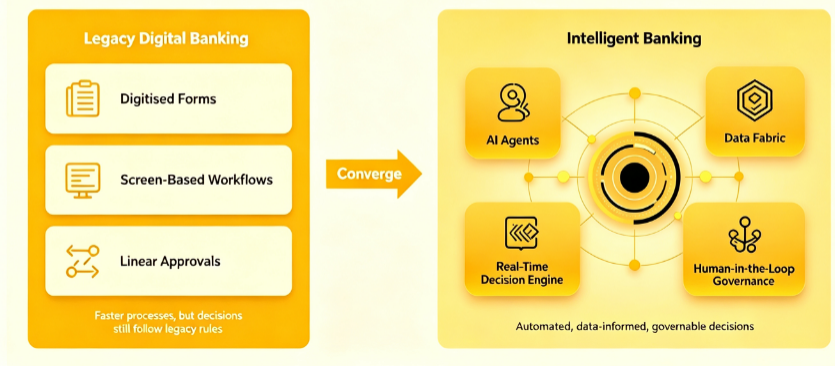
Figure-1: Paradigm shift in financial decision-making
Across the industry, several technology shifts that were once pursued separately are beginning to converge. Together, they point toward a new architecture for banking.
1. From Digital Channels to Intelligent Decisioning
The first generation of digital banking focused heavily on the interface: mobile banking, digital onboarding, self-service and increasingly seamless payment experiences. The next generation is moving intelligence deeper into the transaction and decisioning layers.
AI is increasingly being applied not only to customer-facing assistants, but also to fraud detection, credit decisions, transaction monitoring, collections, service operations and software development.
The important shift is from AI as a tool around banking to AI as part of how banking operates.
This will ultimately change the role of technology platforms themselves. A next-generation banking system will need to do more than process transactions correctly. It will need to provide the data, orchestration and governance required for intelligent decisions to happen at the point of need.
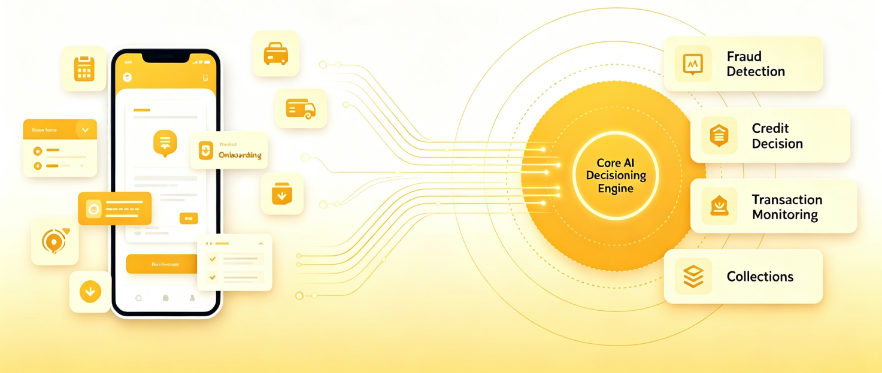
Figure-2: AI moves from customer assistants to core banking operations
2. From Monolithic Cores to Composable Banking
For decades, core banking modernization often implied one enormous decision: replace the core or live with it. That binary choice is disappearing. Modern banking architecture is becoming increasingly composable. APIs, microservices and event-driven architectures allow institutions to modernize individual capabilities while maintaining coexistence with existing systems.
This creates a very different transformation model. Instead of multi-year programs built around a single technology replacement, banks can progressively modernize payments, cards, lending, customer management and other capabilities while reducing migration risk. The architecture of the future is therefore unlikely to be defined by one monolithic platform. It will increasingly resemble an ecosystem of interoperable capabilities.
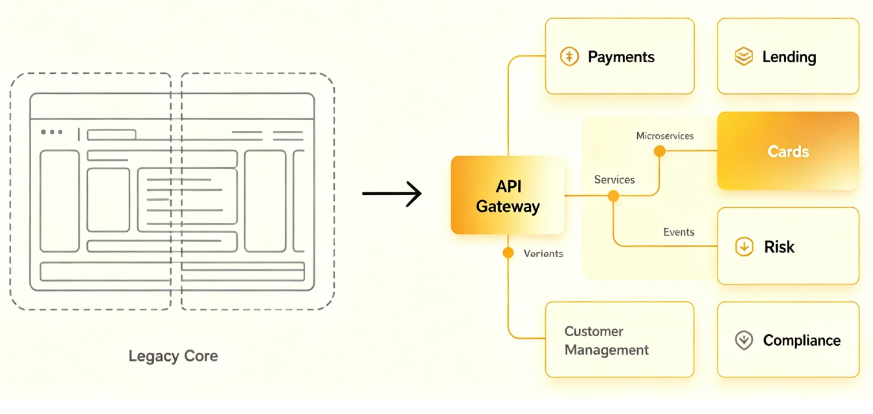
Figure-3: Legacy core migrates to composable banking
3. From Batch Processing to Real-Time Banking
Real-time payments have already changed customer expectations around speed. The same expectation is now spreading across the banking value chain. Fraud decisions increasingly need to happen during the transaction. Credit limits can become dynamic. Customer offers can respond to real-time behavior. Liquidity positions can be continuously updated rather than periodically reconciled.
This requires more than faster infrastructure. It requires banking systems designed around events rather than batches and continuous decisioning rather than periodic processing. Real-time architecture is therefore becoming one of the foundations of intelligent banking.
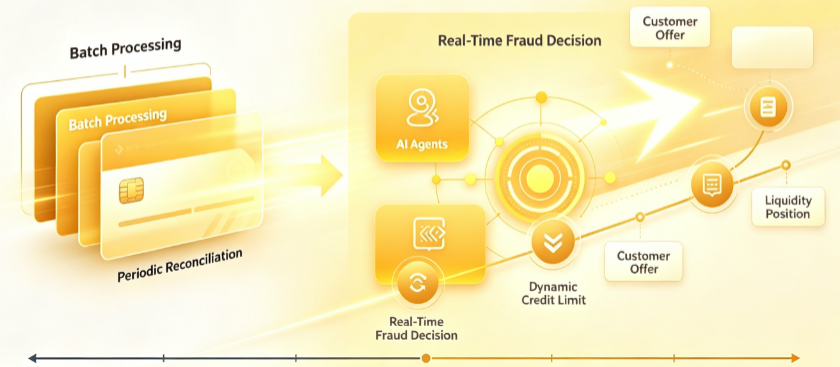
Figure-4: Decisions happen at the point of transaction
4. From Cloud Migration to Cloud-Native Architecture
Moving workloads to the cloud was an important first step. But simply hosting an existing application in the cloud does not necessarily make a bank more agile. The more significant change is architectural. Cloud-native banking and payment systems are designed for modular deployment, elastic scale, continuous delivery and rapid integration. Combined with microservices and APIs, this can allow banks to introduce products and capabilities much faster than traditional release cycles permit. The strategic question is shifting from “Are we in the cloud?” to “Has our architecture actually become more adaptable because of it?”
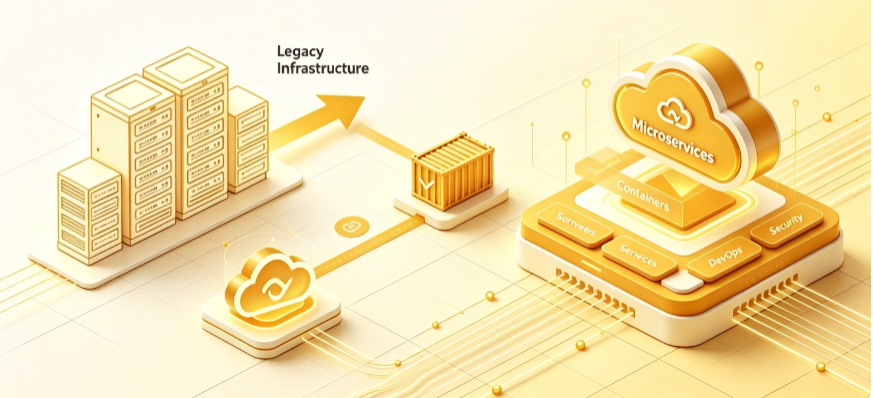
Figure-5: Legacy infrastructure migrates to cloud-native architecture
5. From AI Assistants to Agentic Banking
Generative AI introduced banks to copilots: systems that help employees search, summarize, write and analyze. Agentic AI points toward something more fundamental. Agents can potentially coordinate multiple steps across a workflow—gathering information, applying rules, interacting with systems and initiating actions within defined permissions. In banking, this could eventually affect everything from customer servicing and fraud investigation to payment operations, reconciliation, compliance and technology delivery. But greater autonomy also creates a new requirement: governance must become part of the architecture. Identity, permissions, auditability, explainability and human escalation cannot be added later. They need to be designed into intelligent banking systems from the beginning.
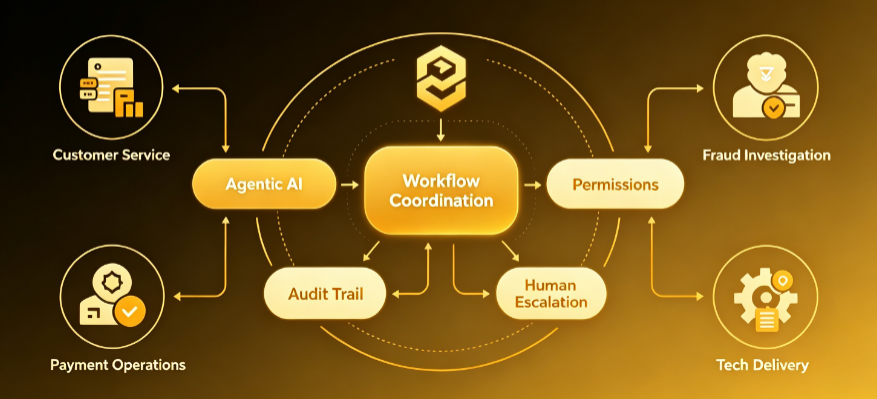
Figure-6: Workflow in agentic banking
6. From Customer Segmentation to Continuous Personalization
Banking has spent decades segmenting customers. The next frontier is increasingly about understanding customer context continuously. With stronger data foundations and real-time decision engines, banks can move from static campaigns toward dynamic engagement—responding to changes in behavior, financial circumstances and customer intent.
This is a subtle but important distinction. The competitive advantage may no longer come from having more customer data. Most established banks already have enormous amounts of it. The advantage will come from how quickly institutions can turn that data into a relevant decision or action.
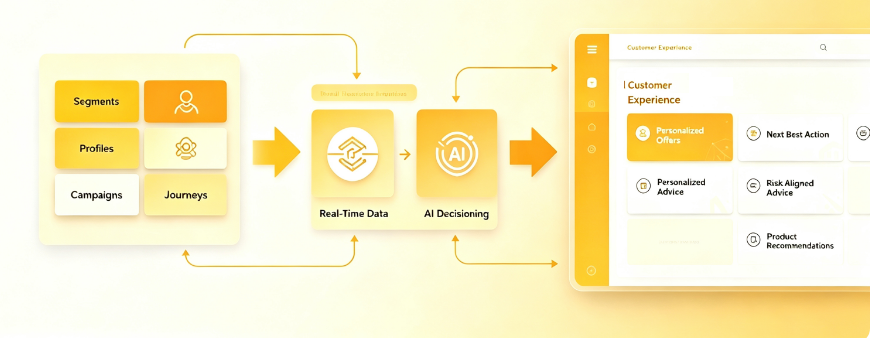
Figure-7: Using data and AI to deliver relevant, timely, and compliant customer interactions
7. From Technology Platforms to Banking Ecosystems
Perhaps the biggest architectural change is happening outside the bank itself. Banking capabilities are increasingly distributed across fintechs, payment networks, digital wallets, marketplaces, cloud providers and embedded-finance platforms. As this ecosystem expands, the role of the banking system changes.
Instead of supporting only the bank’s own channels and products, next-generation platforms will increasingly need to expose capabilities securely to partners, connect rapidly with external services and support new forms of money and transaction flows. API-first architecture therefore becomes more than an IT design principle. It becomes part of the bank’s business model.
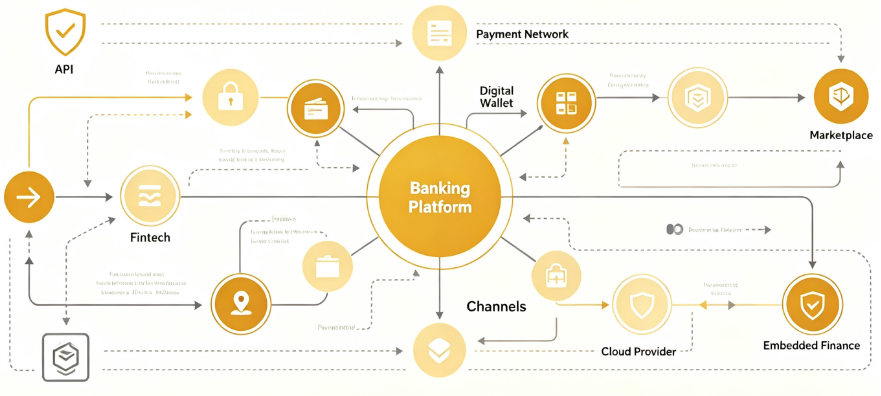
Figure-8: API-first architecture in banking ecosystems
What Does This Mean for the Next-Generation Banking System?
Taken together, these trends suggest that the banking platform of the future will look fundamentally different from the systems built over the past several decades. It will increasingly be:
Composable rather than monolithic. Real-time rather than batch-oriented. API-first rather than internally closed. Cloud-native rather than simply cloud-hosted. Data-driven rather than process-driven. AI-enabled—and increasingly agentic. Ecosystem-ready rather than institution-centric. No single technology creates this transformation. The real change comes from how these capabilities work together.
This is also where companies such as CLPS and QCC are seeing the industry evolve in practice. Work across banking technology modernization, automation and cloud-native payment platforms such as CAKU powered by QCC reflects many of these architectural shifts. But the larger story is not about any individual platform. It is about a fundamental change in what banks will expect from their technology infrastructure.
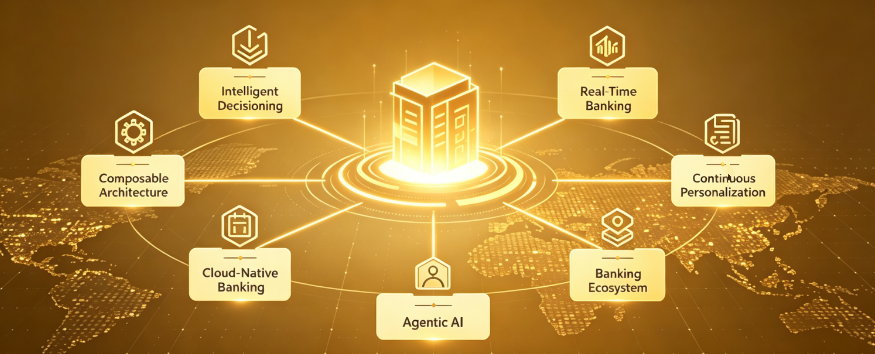
Figure-9: Seven shaping focuses of next-generation banking systems
For years, the primary job of a banking and payment system was to record and process financial transactions reliably. The next generation will still need to do that—with even greater resilience and security. But it will also need to understand context, orchestrate services, support intelligent decisions and continuously adapt to what happens next. That may ultimately be the defining difference between digital banking and intelligent banking.